
E-Invoicing in the Middle East: Regional Digital Tax Transformation 2025
Updated On : 2025 | 9 min read

A Strategic Shift Reshaping Tax Compliance, Digital Governance, and Enterprise Operations
Across the Middle East, governments are moving decisively toward electronic invoicing as a foundation for modern tax administration and transparent commerce. What was once a series of local reforms has evolved into a coordinated regional transformation.
Structured invoice formats, real-time reporting pipelines, and digitally authenticated documents are strengthening compliance, enhancing economic visibility, and reducing inefficiencies associated with legacy invoicing.
Electronic invoicing is no longer just a technical upgrade. It is a national economic strategy influencing policymaking, fiscal stability, business efficiency, and long-term competitiveness.
Bahrain: Accelerating VAT Integrity Through Digital Invoicing
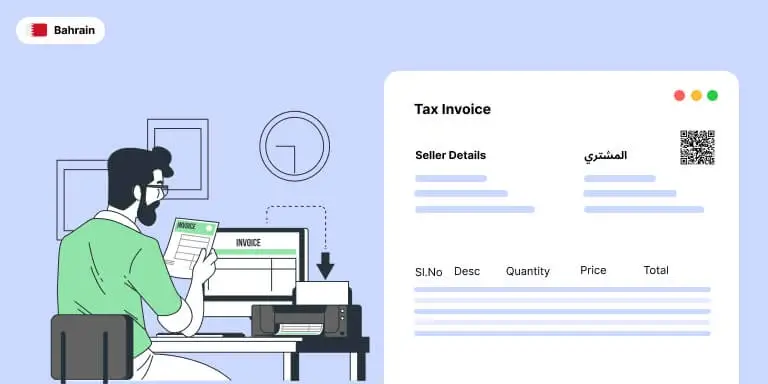
Following the introduction of VAT in 2019 and the increase to 10% in 2022, Bahrain has initiated public consultations to design a national electronic invoicing framework. The objective is to strengthen VAT compliance and improve reporting accuracy.
The expected system will likely include structured formats, real-time reporting, and integration with enterprise systems. For government, this enhances fiscal monitoring. For businesses, it enables predictable and automated compliance.
Egypt: A Mature, Phased Digital Tax Transformation
Egypt operates one of the most comprehensive e-invoicing mandates in the region. Since 2020, structured invoices in XML or JSON format must be digitally signed and cleared by the Egyptian Tax Authority before becoming valid.
Mandatory coverage expanded significantly by 2023, strengthening audit capabilities and reducing fraud through continuous transaction controls. Egypt’s framework demonstrates how digital clearance modernises fiscal infrastructure at scale.
Jordan: Expansion of JoFotara and Mandatory Phase Two
Jordan’s JoFotara system entered Phase Two in April 2025. Businesses exceeding 75,000 dinars in turnover must issue electronic invoices across B2B, B2C, and B2G transactions.
QR code validation is required before invoices qualify for VAT deduction. This enhances transparency, improves record quality, and reduces administrative burdens.
Oman: Infrastructure Reboot and the Five-Corner Vision
Oman has relaunched its electronic invoicing strategy through a development partnership to build scalable national infrastructure. The model is expected to follow a decentralised five-corner structure aligned with international standards.
Pilot implementation is anticipated in 2026, with broader rollout targeted for 2027. The system will enable real-time visibility, standardised formats, and seamless integration for enterprises.
Saudi Arabia: The Region’s Benchmark for Real-Time Controls
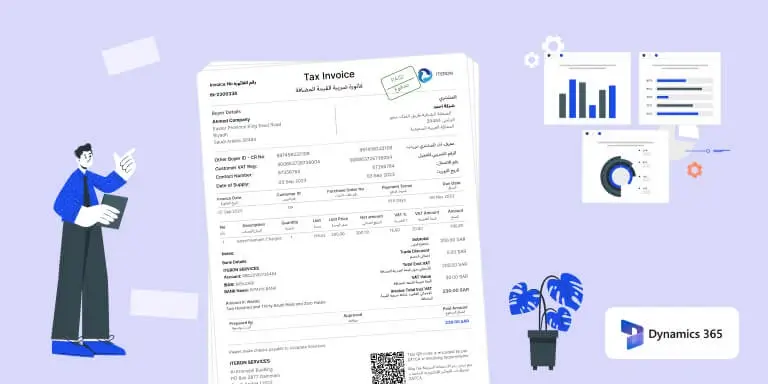
Saudi Arabia’s FATOORA system remains the regional benchmark. Structured XML invoices with cryptographic signatures, QR codes, and real-time clearance are mandatory.
The phased rollout continues to expand across turnover tiers. Continuous transaction controls reduce fraud, strengthen auditability, and modernise corporate accounting.
United Arab Emirates: Preparing for a PEPPOL-Driven Model
The UAE is developing a decentralised electronic invoicing system inspired by PEPPOL architecture. Structured formats and connectivity to accredited service providers will be required.
Expected implementation around 2026 will provide near real-time economic visibility and strengthen digital tax governance.
Turkey: A Long-Standing Digital Pioneer
Turkey remains one of the earliest global adopters of electronic invoicing. Its mature ecosystem includes digital signatures, structured formats, and real-time reporting.
Continuous evolution of the Turkish model demonstrates that early digital adoption leads to stronger transparency, efficient auditing, and lower administrative overhead.
A New Era for Middle Eastern Businesses
The expansion of national e-invoicing mandates signals a unified regional shift toward digital tax ecosystems. Businesses must prepare for structured data exchange, automated validation, and integration with national platforms.
Organisations that modernise early will benefit from reduced compliance risk, improved efficiency, and stronger governance frameworks. Enterprise-grade platforms such as Accqrate support this transition by enabling structured document exchange, multi-country compliance, and seamless integration with government systems.



cta.title1
cta.description1cta.description2 cta.badge2cta.badge3
Recent Blog Posts from Accqrate

Integrating Credit Notes with ZATCA: A Comprehensive Guide

Integration of Debit Memos with ZATCA: An In-Depth Overview
Understanding ZATCA E-Invoicing Phase 2 Waves in Saudi Arabia