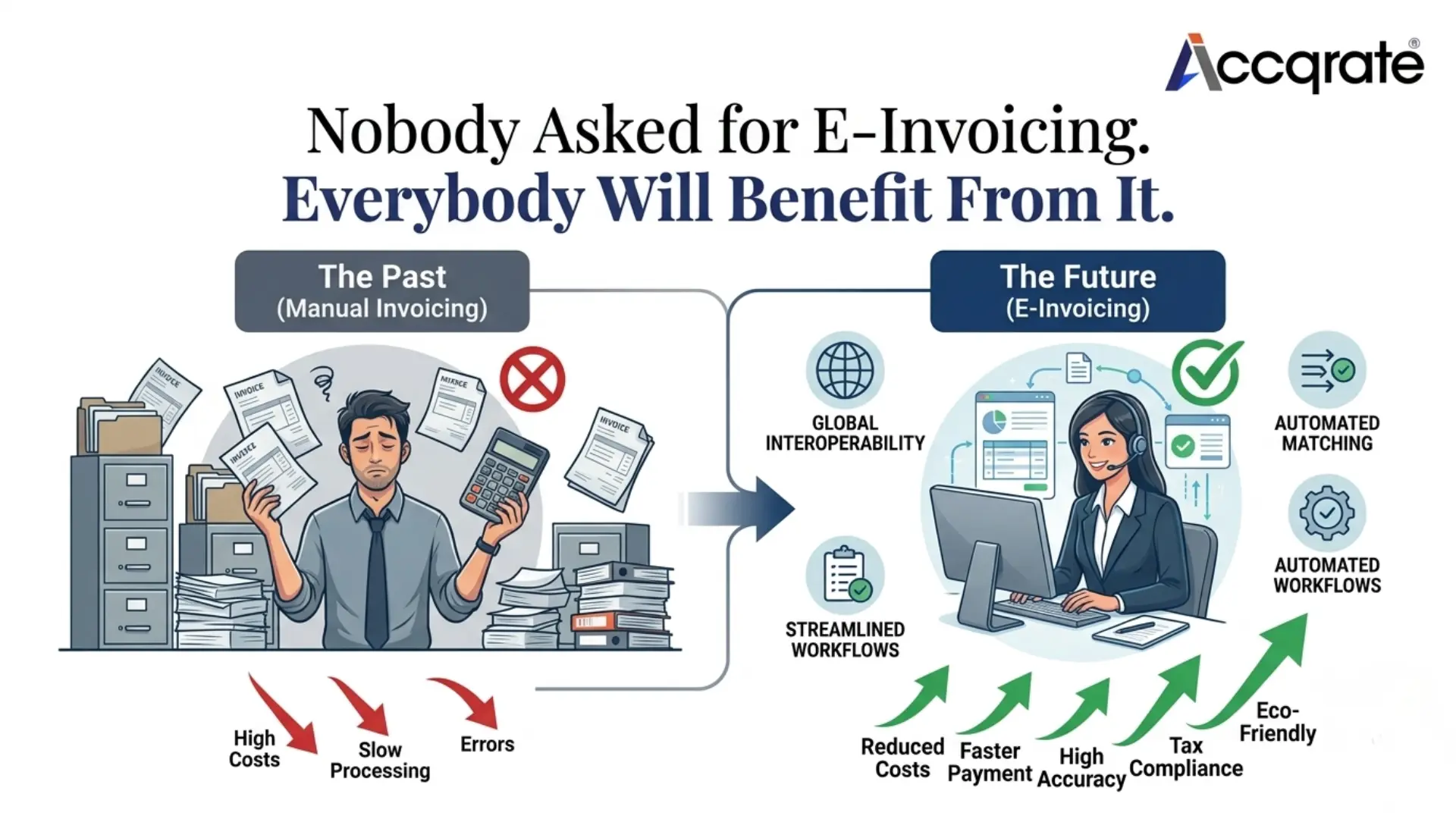
Mauritius Nationwide E-Invoicing Rollout: Phases, Framework and Compliance

Mauritius is entering a new phase of its digital tax modernisation journey as the Mauritius Revenue Authority expands the scope of mandatory electronic invoicing. The transition reflects a broader strategy to strengthen compliance, improve reporting accuracy, and build real-time visibility across taxable transactions.
The authority has adopted an incremental rollout, prioritising large suppliers first and progressively including businesses from lower turnover categories. This staged approach allows organisations to adjust their systems, adopt compliant billing technologies, and align with Electronic Billing System standards defined by the regulator.
How the National E-Invoicing Model Works
Mauritius is implementing an authenticated electronic invoicing framework where every tax document is transmitted to the MRA e-Invoicing Platform. Once an invoice, credit note, or debit note is generated within a certified system, it is transmitted instantly for validation.
The platform verifies submitted data and returns a unique Invoice Reference Number along with a QR code. Only after validation may the invoice be shared with the customer. This model strengthens audit trails and ensures a unified method of generating and reporting transactional data.
Progress of the First Rollout Group
Businesses with annual revenues above 100 million Mauritian rupees were the first required to adopt mandatory e-invoicing beginning in May 2024. These early adopters have integrated their sales systems with the national platform and now issue digital tax documents in real time.
The regulator also permits voluntary adoption for suppliers registered on the national portal, allowing organisations to modernise ahead of future phases.
Expansion to the Next Turnover Bracket
During the 2025–2026 fiscal cycle, suppliers generating more than 80 million rupees in annual revenue will join the mandate. These businesses are expected to prepare for system upgrades, interface certifications, and internal process adjustments prior to transition.
Expected Future Phases
Two further phases are anticipated. One will cover entities with revenues between 50 and 80 million rupees. A final stage will extend requirements to additional specialised sectors and business categories.
Implementation Roadmap
- Phase One: Mandatory for suppliers with more than 100 million rupees turnover. Effective from 15 May 2024.
- Phase Two: Scheduled for suppliers above 80 million rupees. Planned during FY 2025–26.
- Phase Three: Expected for businesses between 50 and 80 million rupees turnover.
- Phase Four: Will apply to additional business groups identified by the MRA.
Conclusion
Mauritius is steadily building a robust national framework for electronic invoicing, creating a more accurate, transparent, and globally aligned reporting environment. As additional businesses fall under future phases, early adaptation and compliant system integration will provide a significant operational advantage. Accqrate continues to support organisations as they prepare for evolving regulatory mandates and modernise their invoicing operations.

cta.title1
cta.description1cta.description2 cta.badge2cta.badge3
Recent Blog Posts from Accqrate
Mauritius Revenue Authority E-Invoicing Framework: Timeline, Guidelines and Compliance
Mauritius Nationwide E-Invoicing Rollout: Phases, Framework and Compliance