Mauritius Revenue Authority E-Invoicing Framework: Timeline, Guidelines and Compliance

Mauritius is entering a new stage of digital tax modernization through the national e-invoicing framework introduced by the Mauritius Revenue Authority. Beginning with select high-turnover taxpayers and expanding gradually, the mandate requires businesses to generate structured electronic invoices, submit them in real time, and receive official validation before sharing documents with customers.
As of 2025, this phased approach is shaping how companies manage VAT reporting, invoicing processes, and system integration across the country.
Understanding e-Invoicing in Mauritius
Certain categories of taxpayers must issue invoices digitally through certified Electronic Billing Systems (EBS). These systems generate invoices using the JSON format defined by the MRA and transmit the data instantly to the government platform for approval.
Upon approval, the system returns two mandatory elements:
- A unique Invoice Reference Number.
- A QR code for verification and customer validation.
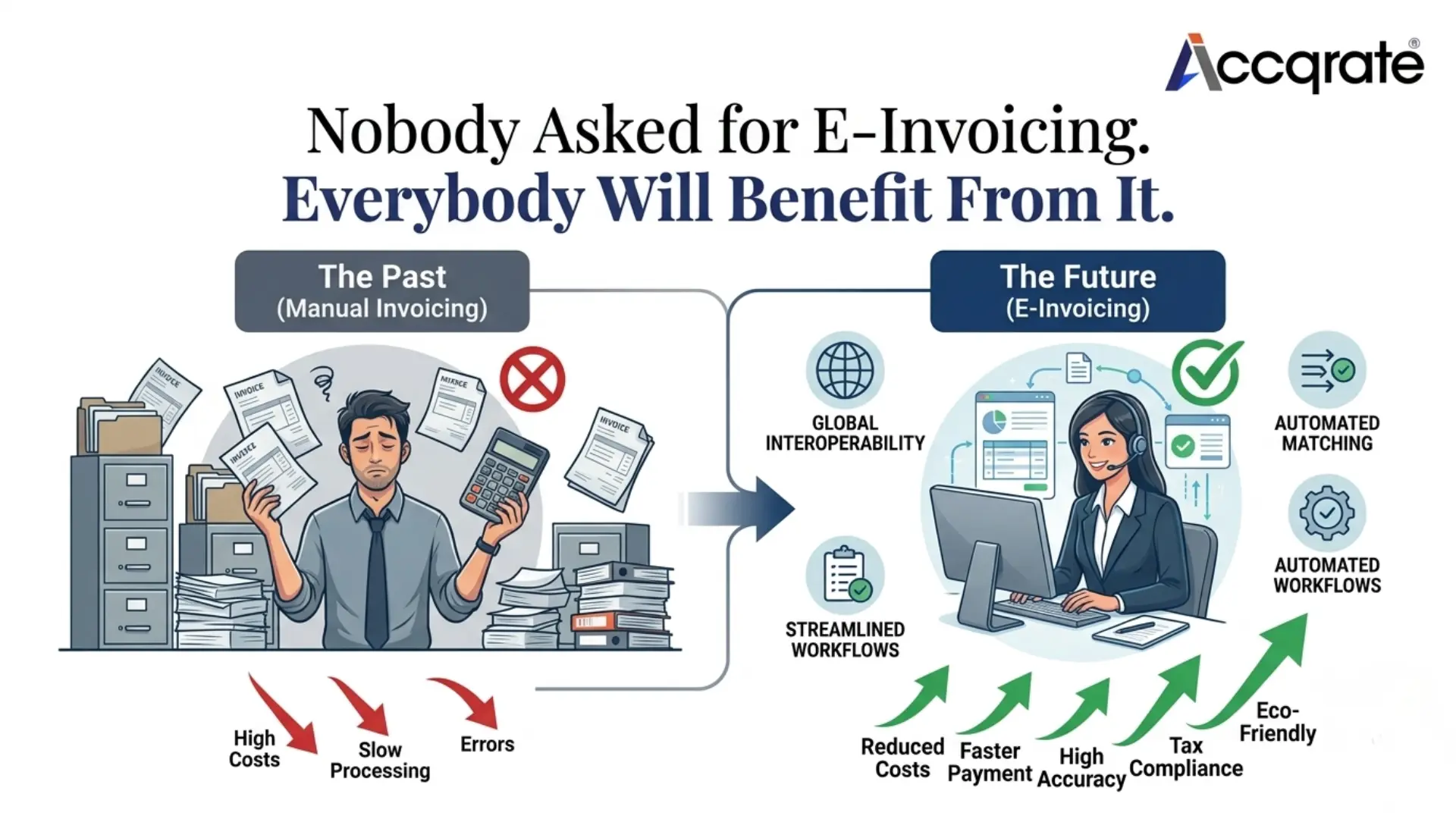
This transformation promotes transparency in VAT reporting, reduces tax irregularities, and enables digital standardisation across the economy.
Implementation Timeline
- June 2023: Technology vendors and IT teams began testing Electronic Billing Systems on the MRA Developer Portal.
- Post June 2023: Economic Operators registered and onboarded approved EBS solutions, each receiving a unique EBS MRA ID.
- May 15, 2024: Mandatory e-invoicing began for companies with turnover above 100 million Mauritian rupees.
- Future Phases: Additional turnover brackets will gradually be included.
The e-Invoicing Process in Mauritius
- Customising the Electronic Billing System: Configure ERP, billing, or POS systems to meet MRA data, formatting, and communication standards.
- Developer Registration: Register on the MRA Developer Portal to access sandbox tools and certification guidelines.
- System Testing and Self Certification: Verify compliance with MRA standards before certification.
- Economic Operator Registration: Register the business and onboard the certified EBS to receive an EBS MRA ID.
- Real-Time Transmission: Generate invoices in JSON format and transmit to the MRA Invoice Fiscalisation Platform.
- Fiscal Invoice Generation: Receive fiscal signature, Invoice Reference Number, and QR code.
- Buyer Validation: Customers verify invoices using QR codes or the MRA verification service.
Compliance Requirements
- Real-time fiscalisation of all invoices, credit notes, and debit notes.
- JSON formatted invoices based on MRA structure.
- Mandatory Invoice Reference Number and QR code inclusion.
- Use of MRA-approved Electronic Billing Systems.
- Registration of each EBS with a unique EBS MRA ID.
- Secure retention of fiscal invoices for at least five years.
Who Must Comply
As of 2025, Economic Operators with annual turnover exceeding 100 million Mauritian rupees are required to comply. Future phases will extend the mandate to additional turnover brackets and VAT-registered businesses.
Benefits of e-Invoicing
- Consistent national data standards
- Higher invoice processing accuracy
- Greater transparency for regulators and taxpayers
- Reduced fraud and undocumented transactions
- Improved operational efficiency through digital workflows
Conclusion
Mauritius is reinforcing digital compliance through a structured and transparent e-invoicing framework. Early preparation and compliant system integration will position businesses strongly as future phases expand. Platforms such as Accqrate support structured invoice generation, API-based integration, and seamless regulatory alignment to simplify this transition.

cta.title1
cta.description1cta.description2 cta.badge2cta.badge3
Recent Blog Posts from Accqrate
Mauritius Revenue Authority E-Invoicing Framework: Timeline, Guidelines and Compliance
Mauritius Nationwide E-Invoicing Rollout: Phases, Framework and Compliance